Key to the Secret Garden
The Key to the Secret Garden is the physical and symbolic instrument that unlocks the novel's central space of renewal. A rusty iron or brass ring, it had been buried in the earth for ten years, hidden by Mr. Archibald Craven after his wife's fatal accident in the garden. Its discovery by Mary Lennox, guided by the robin, marks the turning point from which the garden—and the children—begin to come alive.
Discovery and the Robin's Guidance
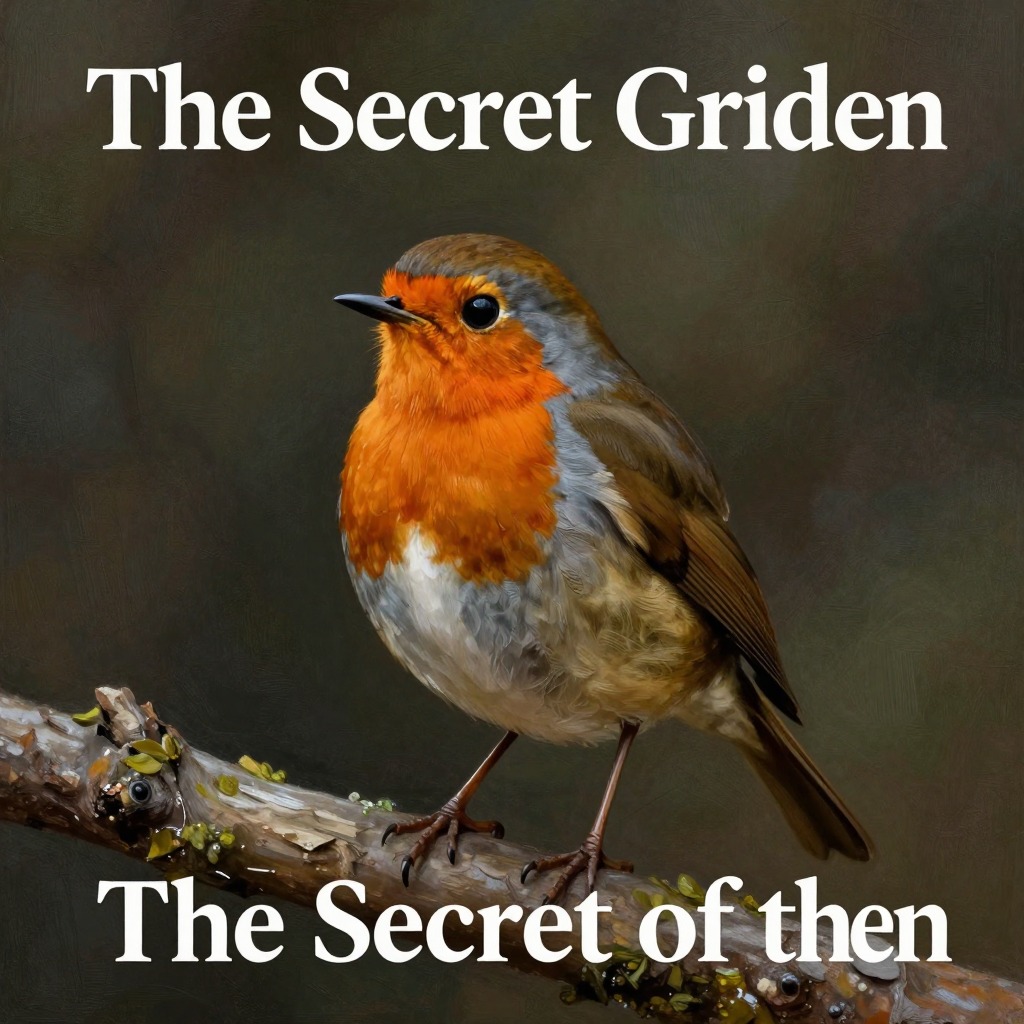
Mary found the key not by searching but by following the robin. While walking along the Long Walk outside the ivy-covered wall, she saw the robin hopping about a bare flower-bed and then alight on a small pile of freshly turned earth. The earth had been disturbed by a dog digging for a mole, and there, almost buried in the soil, Mary saw something like a ring of rusty iron or brass. When the robin flew up into a nearby tree, she put out her hand and picked it up. It was an old key, looking as if it had been buried a long time. Standing with the key hanging from her finger, Mary whispered, "Perhaps it has been buried for ten years. Perhaps it is the key to the garden!"
Significance and Mary's Decision
Mary immediately understood the key's potential. She was not a child trained to ask permission, and she thought only of the closed garden: if this was the key, and she could find the door, she could open it and see what lay inside the walls—what had happened to the old rose-trees. The garden had been shut up so long that it seemed it must be different from other places, and she wanted to see it. Moreover, if she liked it, she could go in every day and shut the door behind her, playing alone where nobody would ever know she was. The thought pleased her greatly. She put the key in her pocket and made up her mind to carry it with her whenever she went out, so that if she ever found the hidden door she would be ready.
Unlocking the Door
Days later, after Mary had begun skipping with the rope sent by Susan Sowerby, the robin again led her to the wall. A gust of wind swung aside some loose ivy trails, and Mary saw a round knob—the knob of a door. Her heart thumping, she pulled aside the thick ivy curtain and found a square iron lock with a hole. She drew the key from her pocket, fitted it into the keyhole, and turned it. It took two hands, but it did turn. Then, after checking that no one was coming, she pushed back the door and slipped through, shutting it behind her. She was standing inside the secret garden. The key had fulfilled its purpose: it had opened the way to a world that had been sealed for a decade, and with that single act, the garden's resurrection—and the children's—began.